Category: Technique
Dialing in, dose and yield, distribution, extraction troubleshooting. The skills that close most of the gap before any upgrade does.
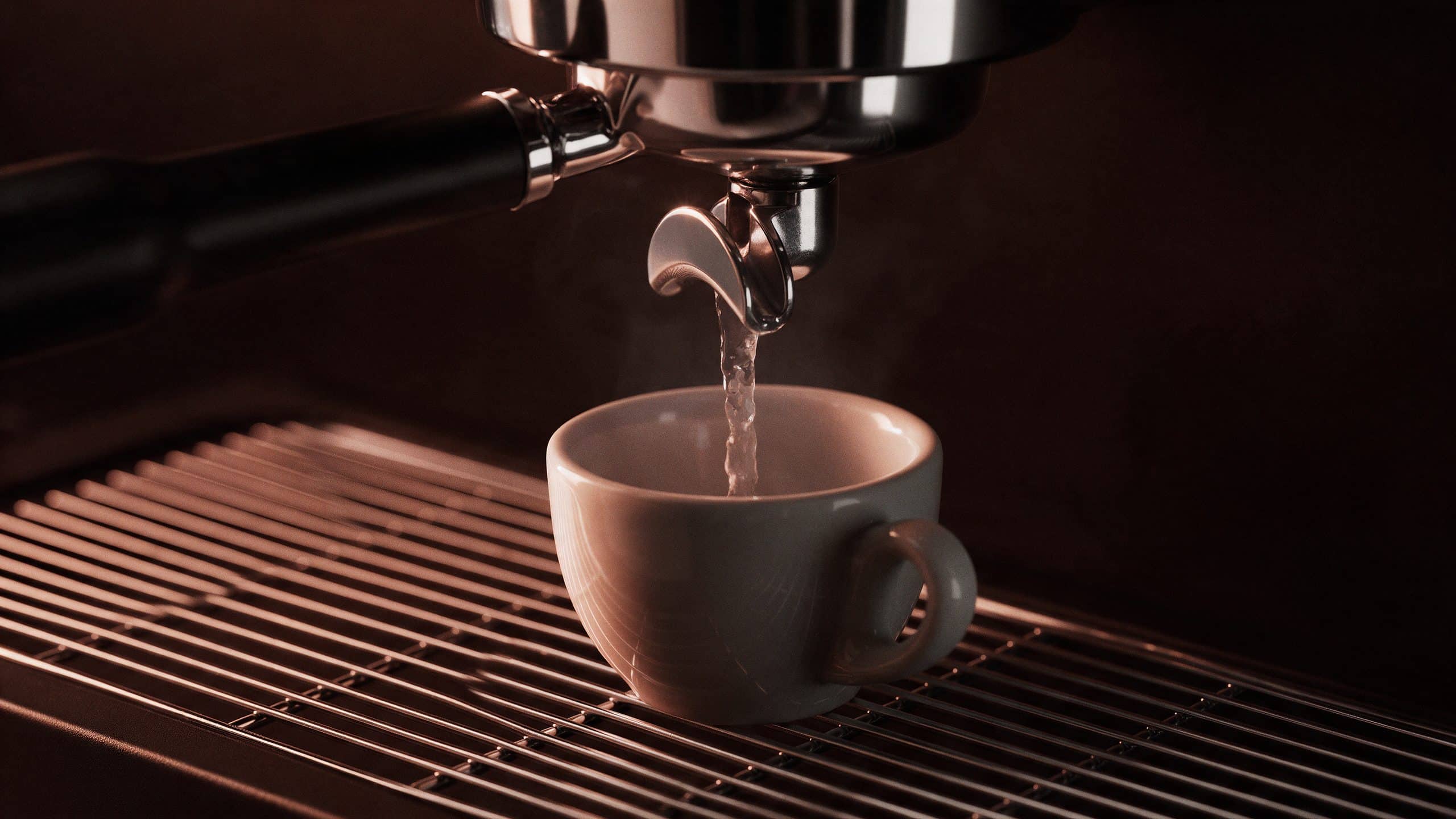
Water Temp for Espresso: What the Manuals Set, and When to Move It
Water temp for espresso has one printed starting point, 200°F (93°C) from La Marzocco, and a direction to move it. Here is…
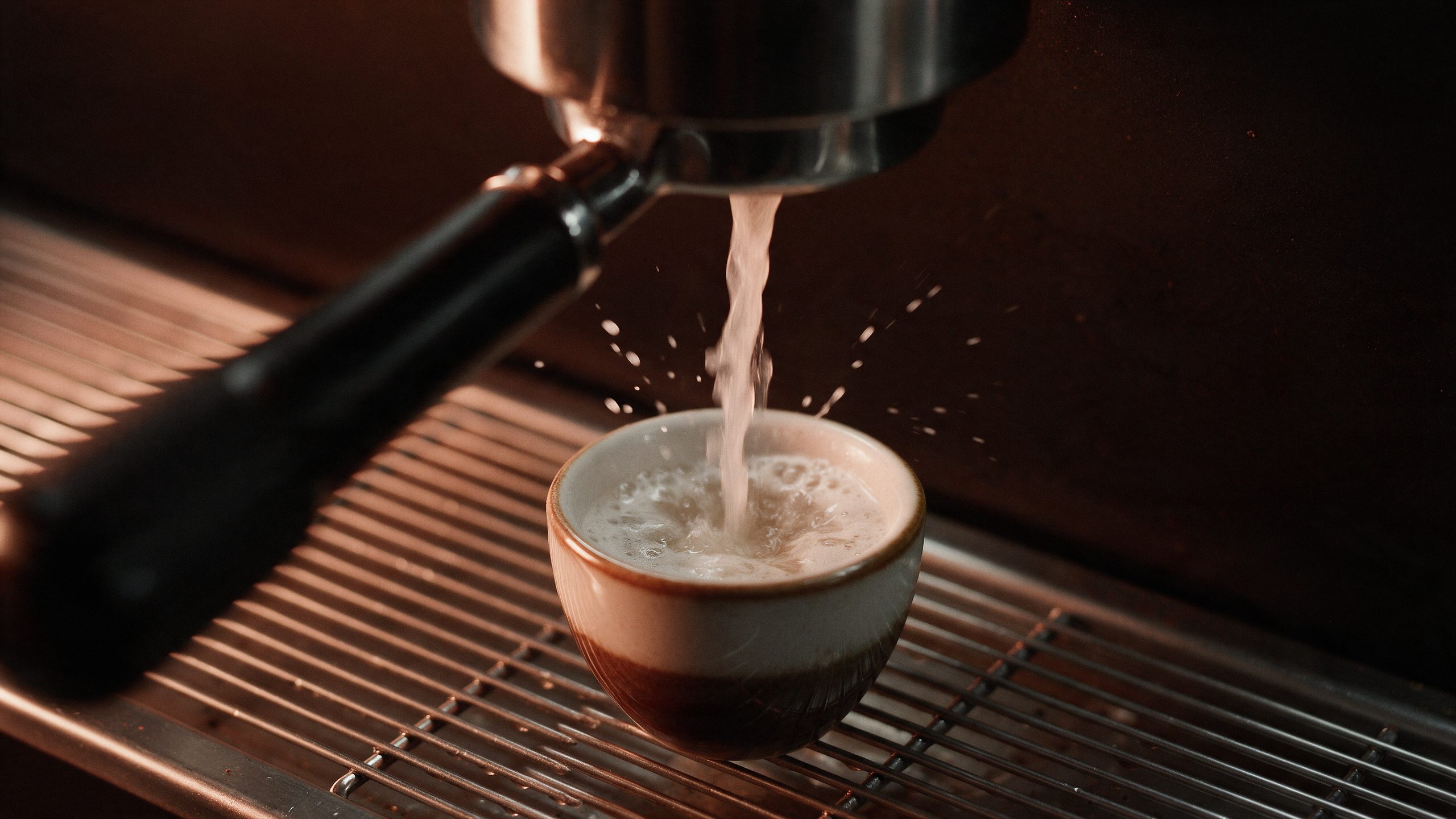
Espresso Coming Out Too Fast? What the Manuals Say to Check First
Espresso coming out too fast means the puck isn’t resisting the pump. Breville, Gaggia and De’Longhi manuals point to the same five…
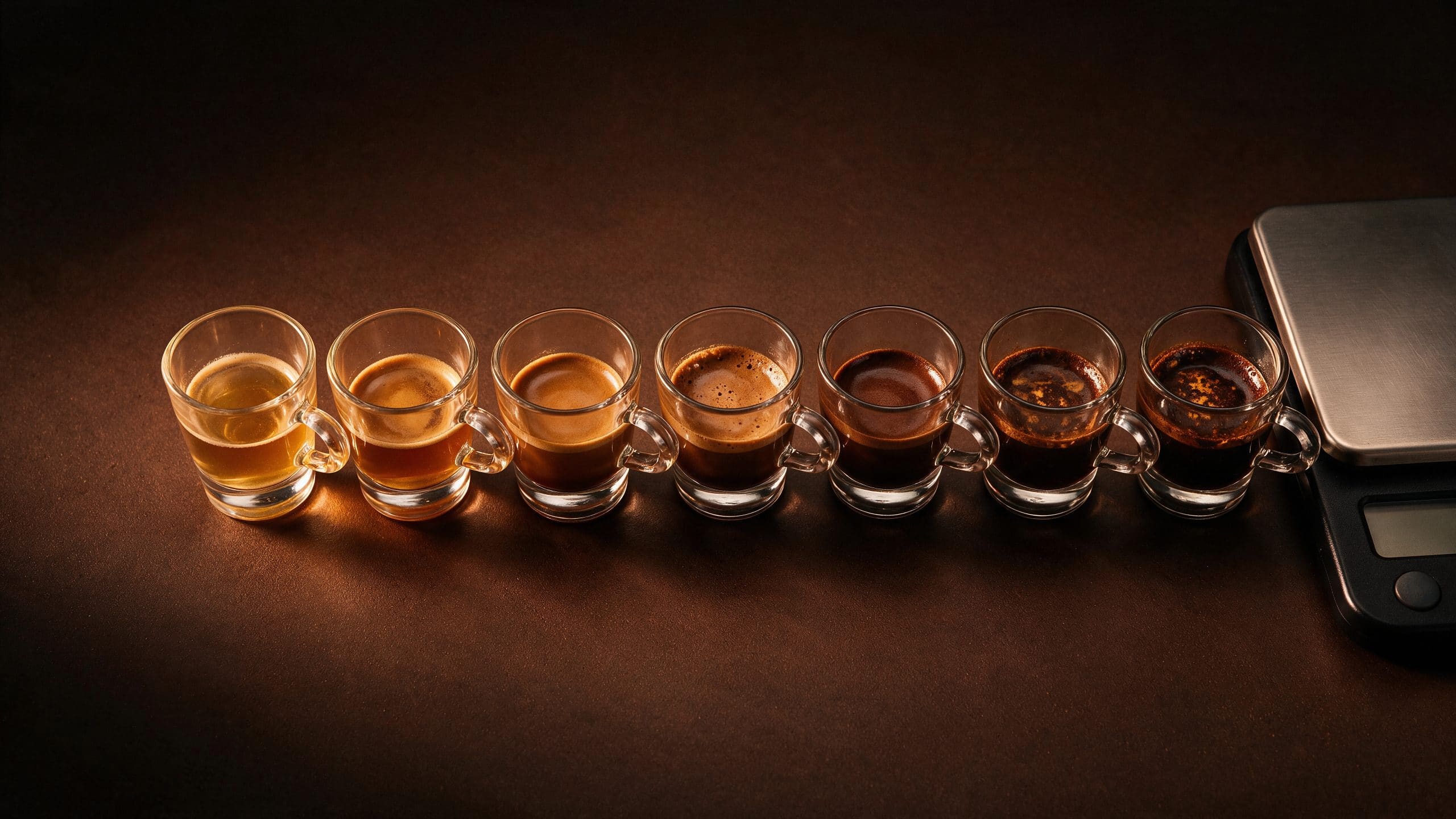
Espresso Dial-In Chart: What to Adjust First
Learning to dial in espresso means changing one variable at a time. This chart matches what’s happening in the cup, or the…
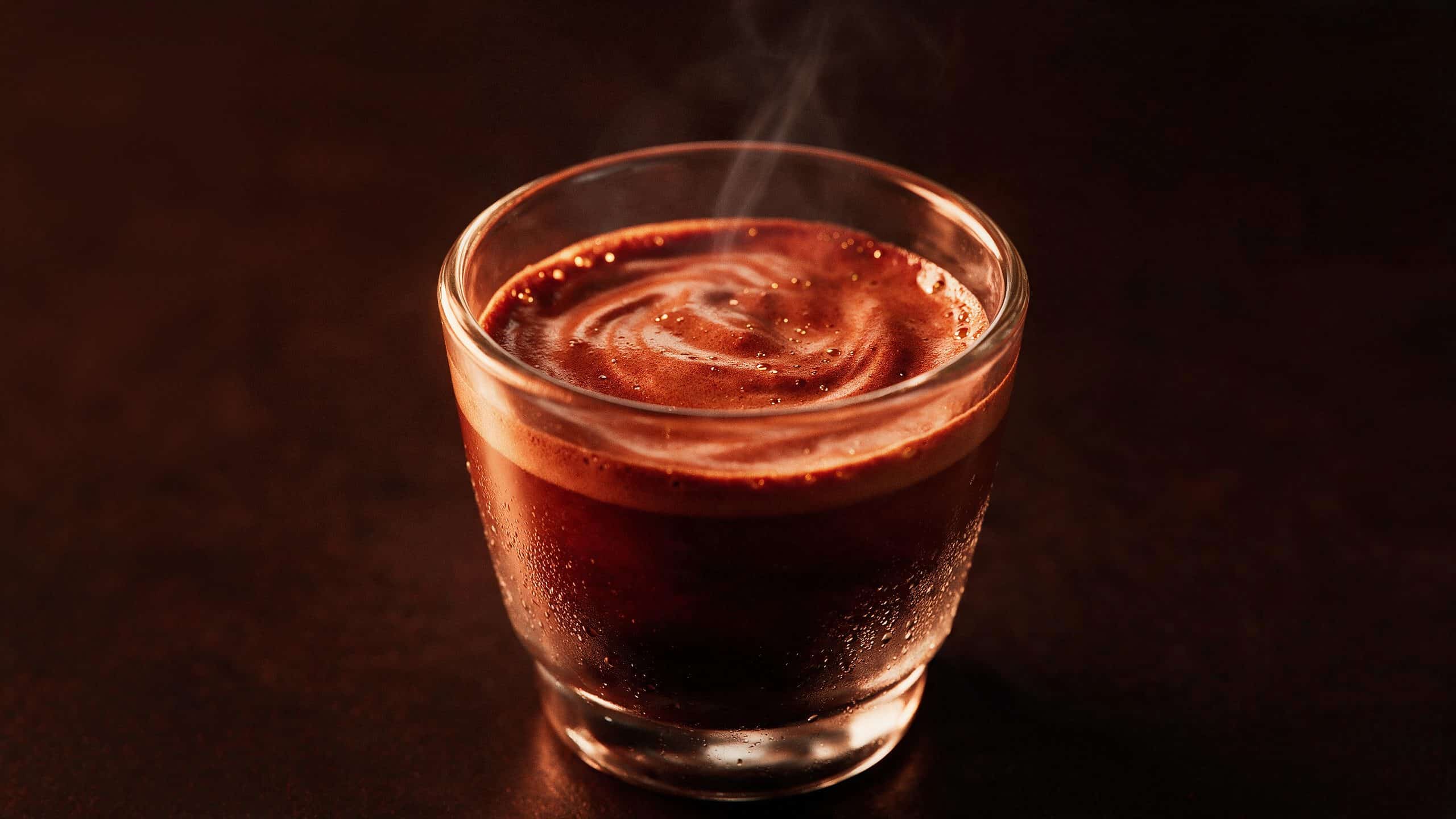
Espresso Crema: What It Actually Shows You (and What It Doesn’t)
Crema looks like a mark of quality on top of an espresso shot, but it’s mostly CO2 gas and emulsified oil escaping…
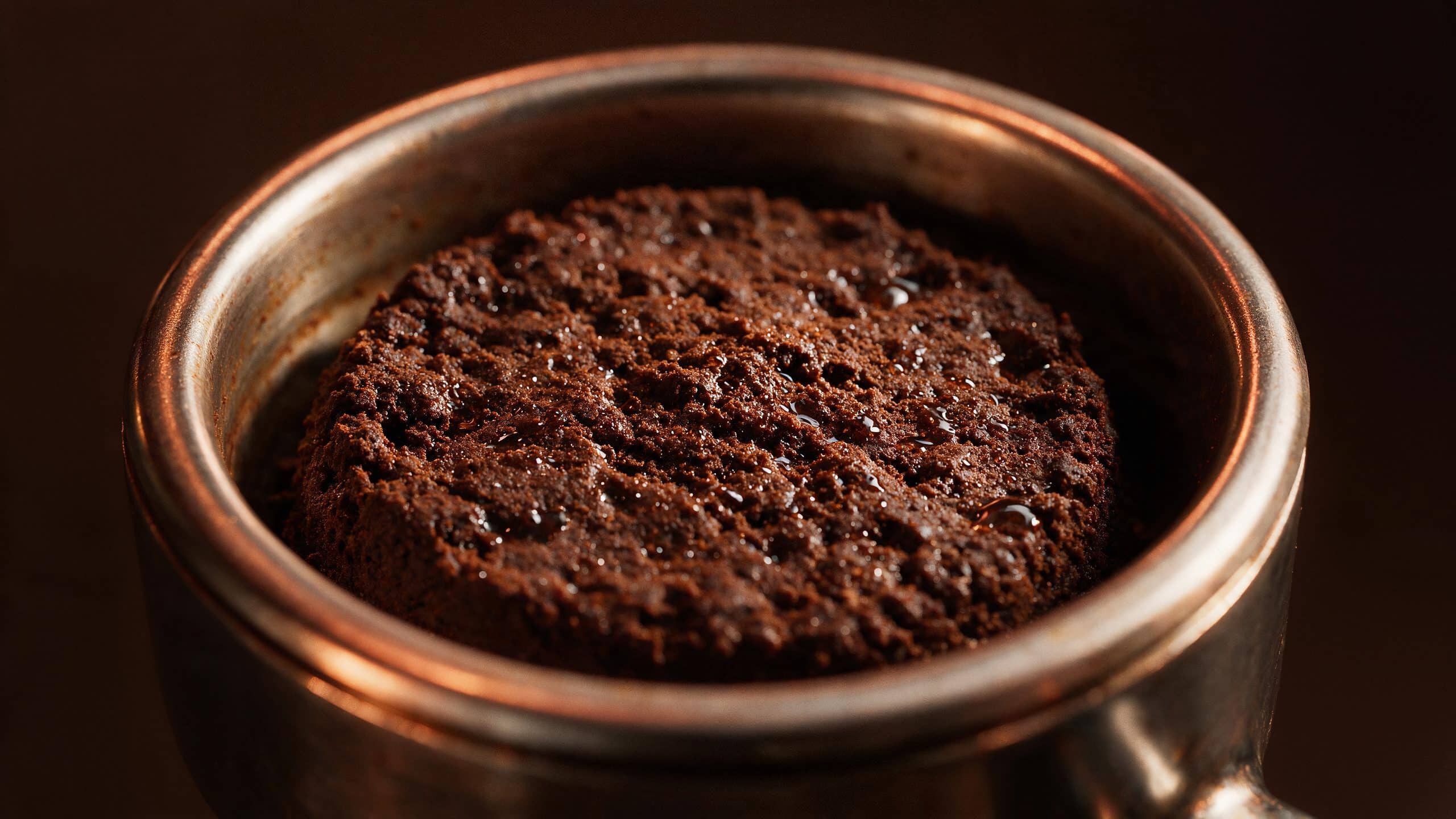
Wet Espresso Puck After Extraction: What It Means
A wet espresso puck after extraction is usually just physics: dose, grind, and machine design at work, not a flawed shot. Here’s…
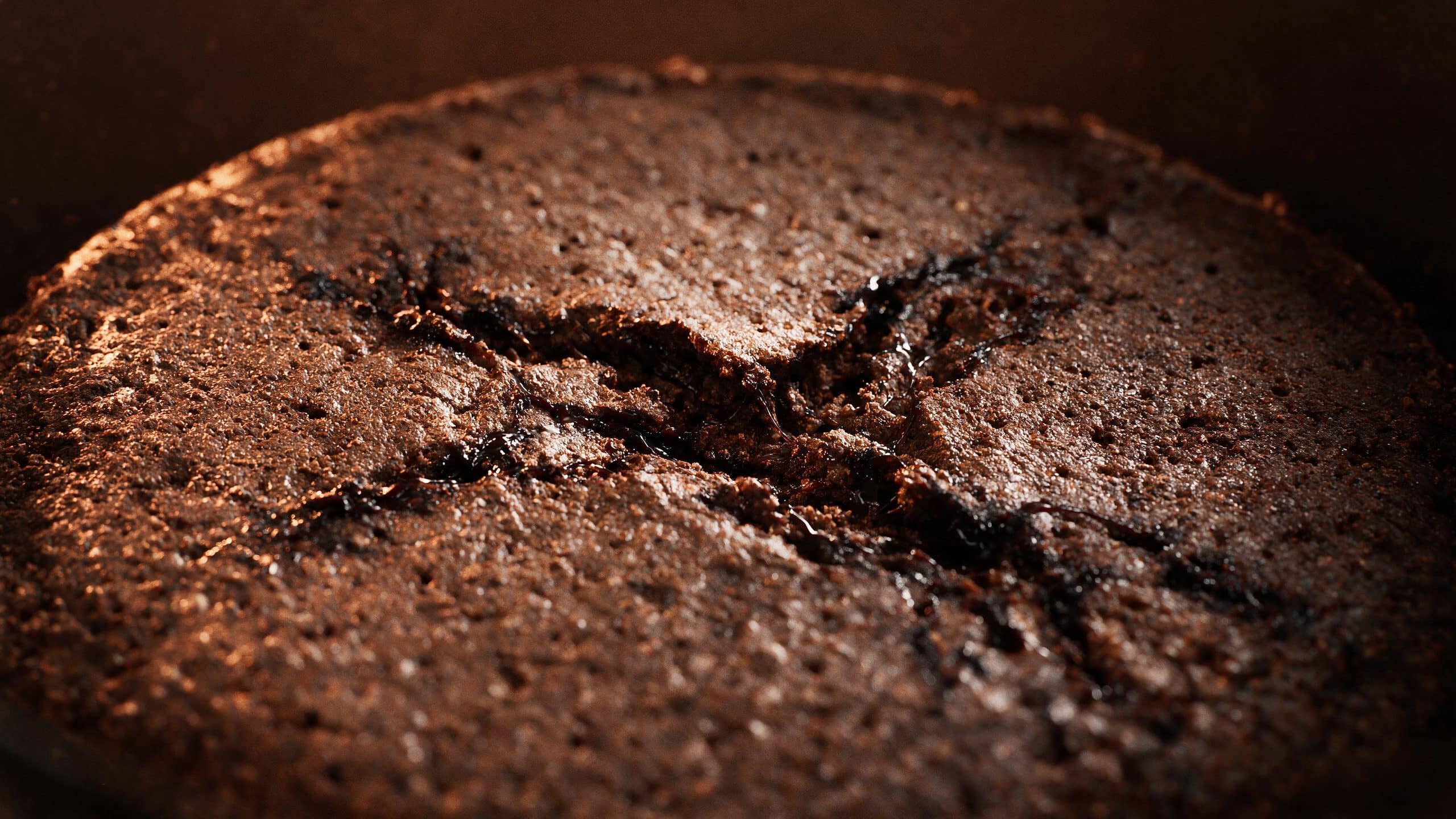
Espresso Channeling: Why It Happens and How to Reduce It
Espresso channeling happens when water cuts a low-resistance path through the coffee puck instead of soaking it evenly. Here’s the mechanism behind…
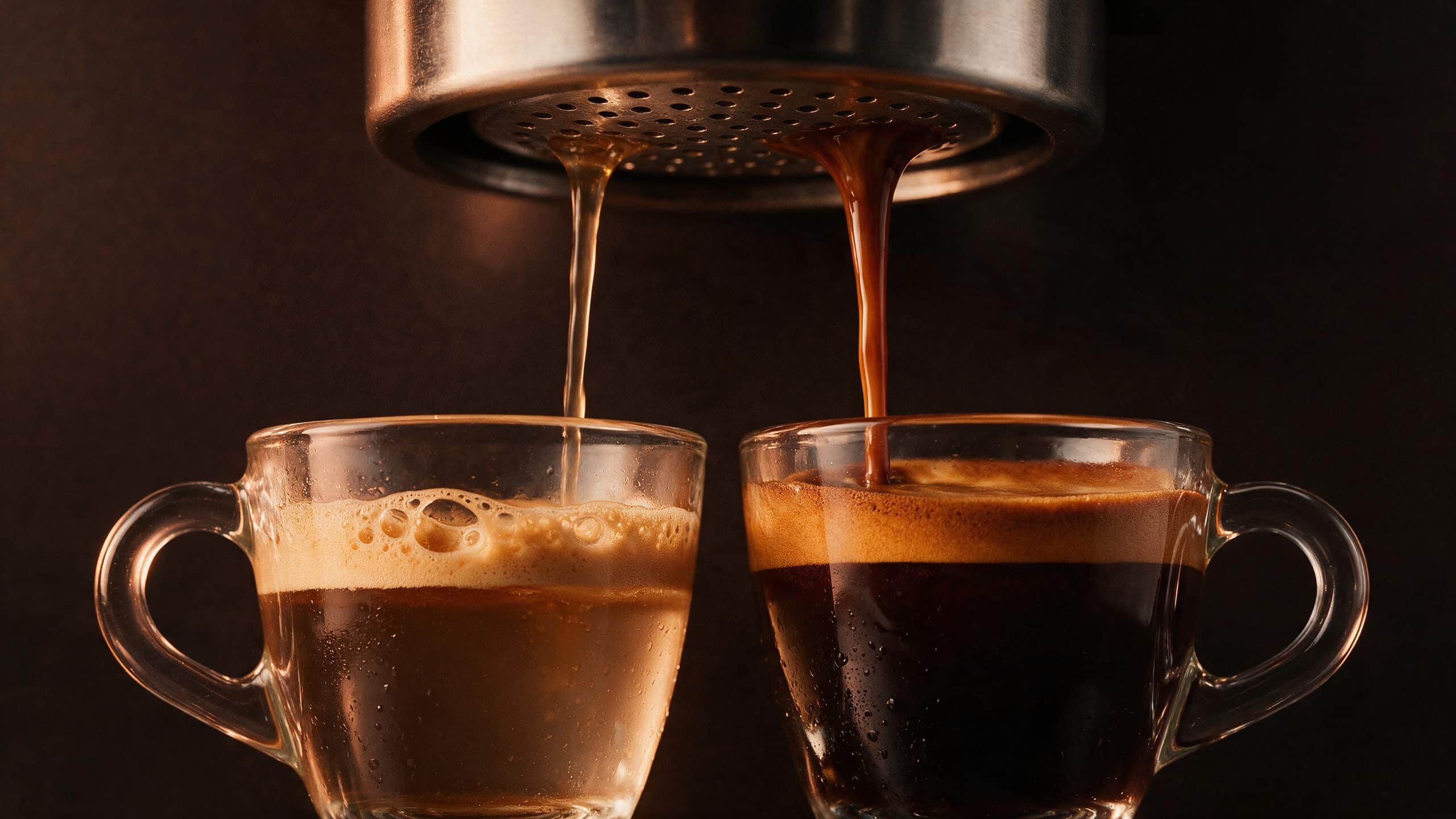
Under-Extraction vs. Over-Extraction: What’s Actually Happening in the Cup
Under-extraction and over-extraction aren’t the same as weak or strong coffee. Here’s the mechanism behind each, grounded in extraction theory, not lab…
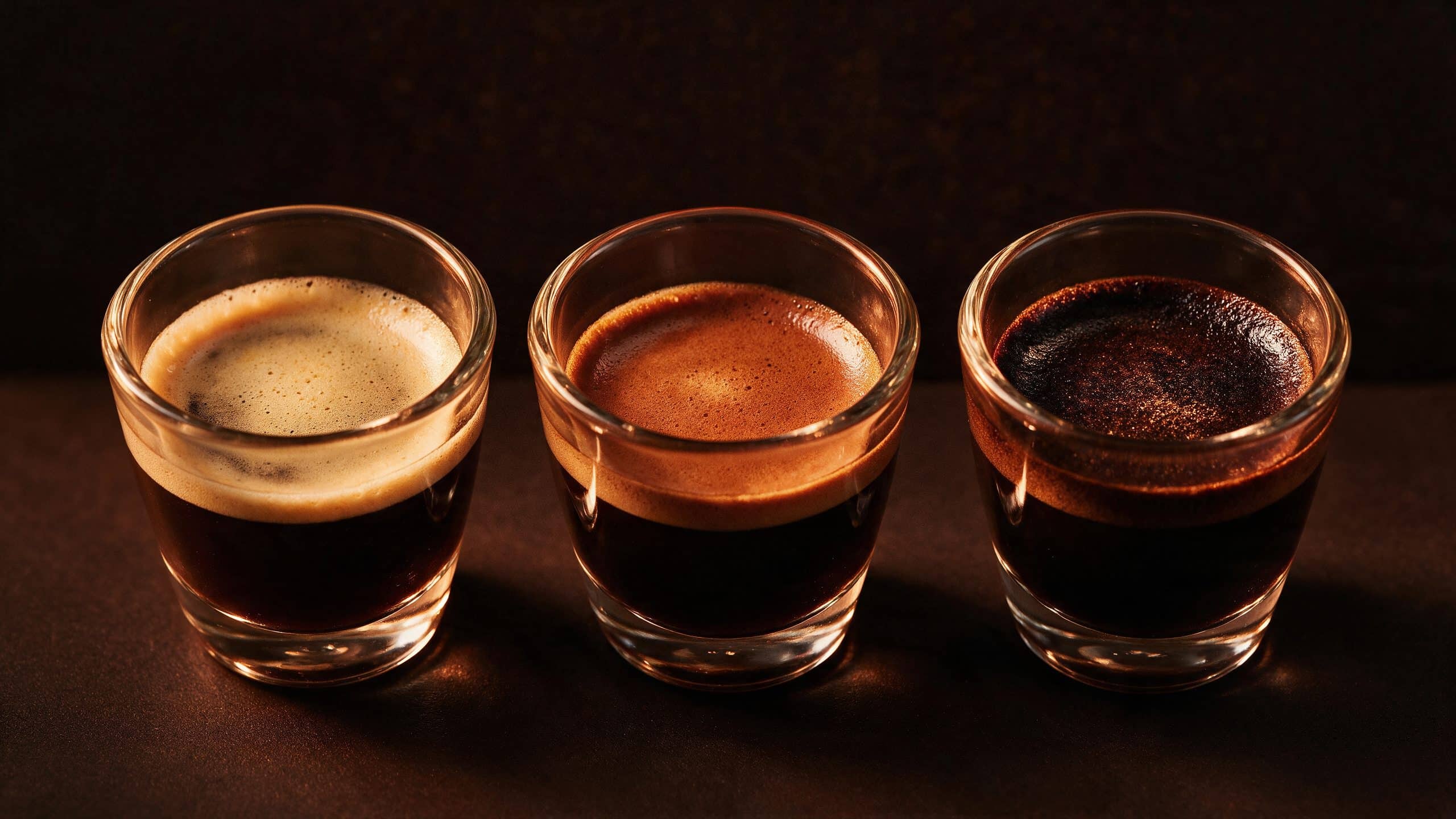
Espresso Tastes Sour, Bitter, or Burnt? A Diagnosis Table
Espresso tastes sour, bitter, or burnt for different reasons. This diagnosis table matches each symptom to its likely cause and the adjustment…


