Category: Machines
Espresso machines from entry level to prosumer: temperature stability, pressure profiling, steam power, and the maintenance you inherit with each design.
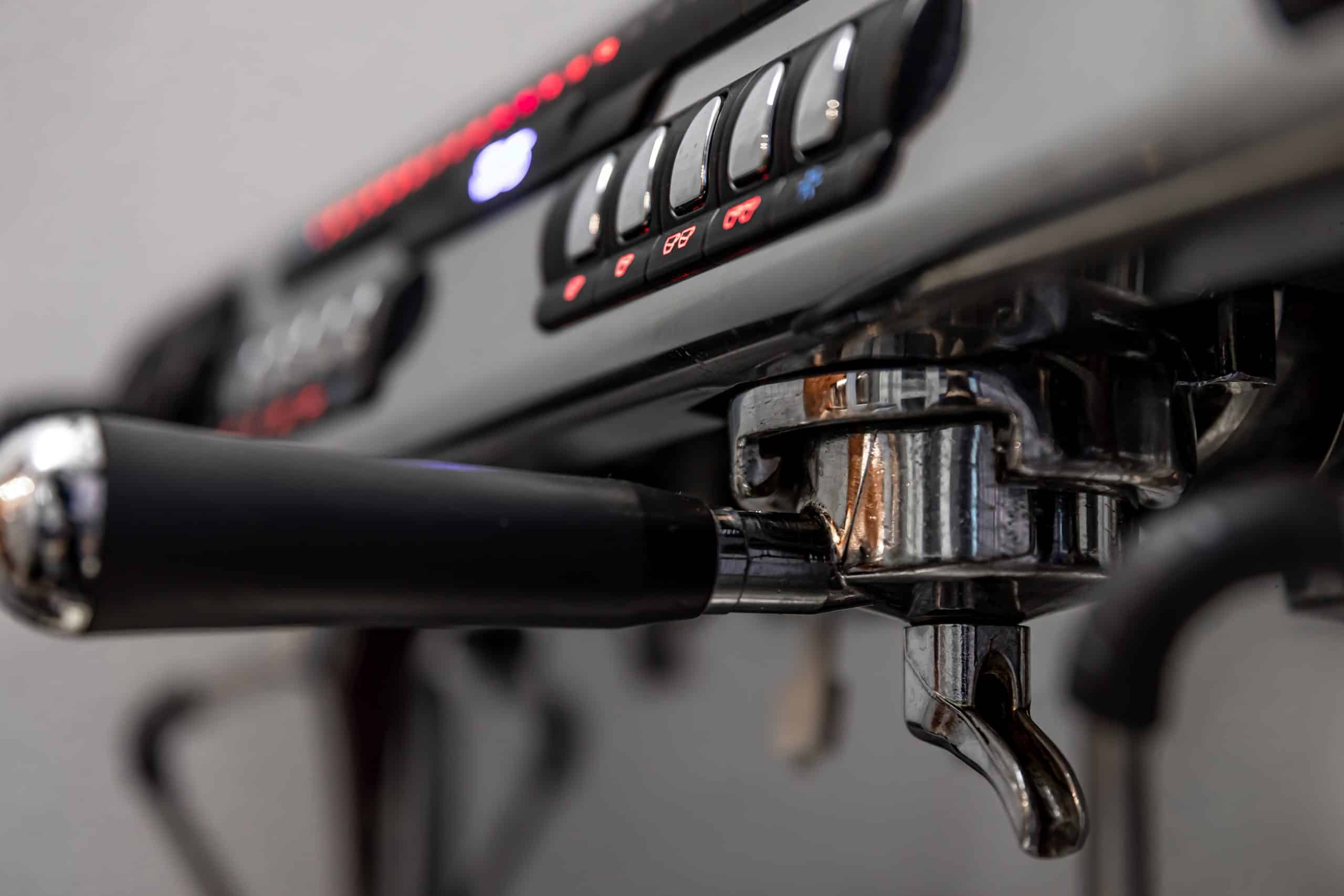
How Does an Espresso Machine Work? The Water Path, Step by Step
An espresso machine does four jobs: hold water, heat it, push it through ground coffee under pressure, then release that pressure. Each…
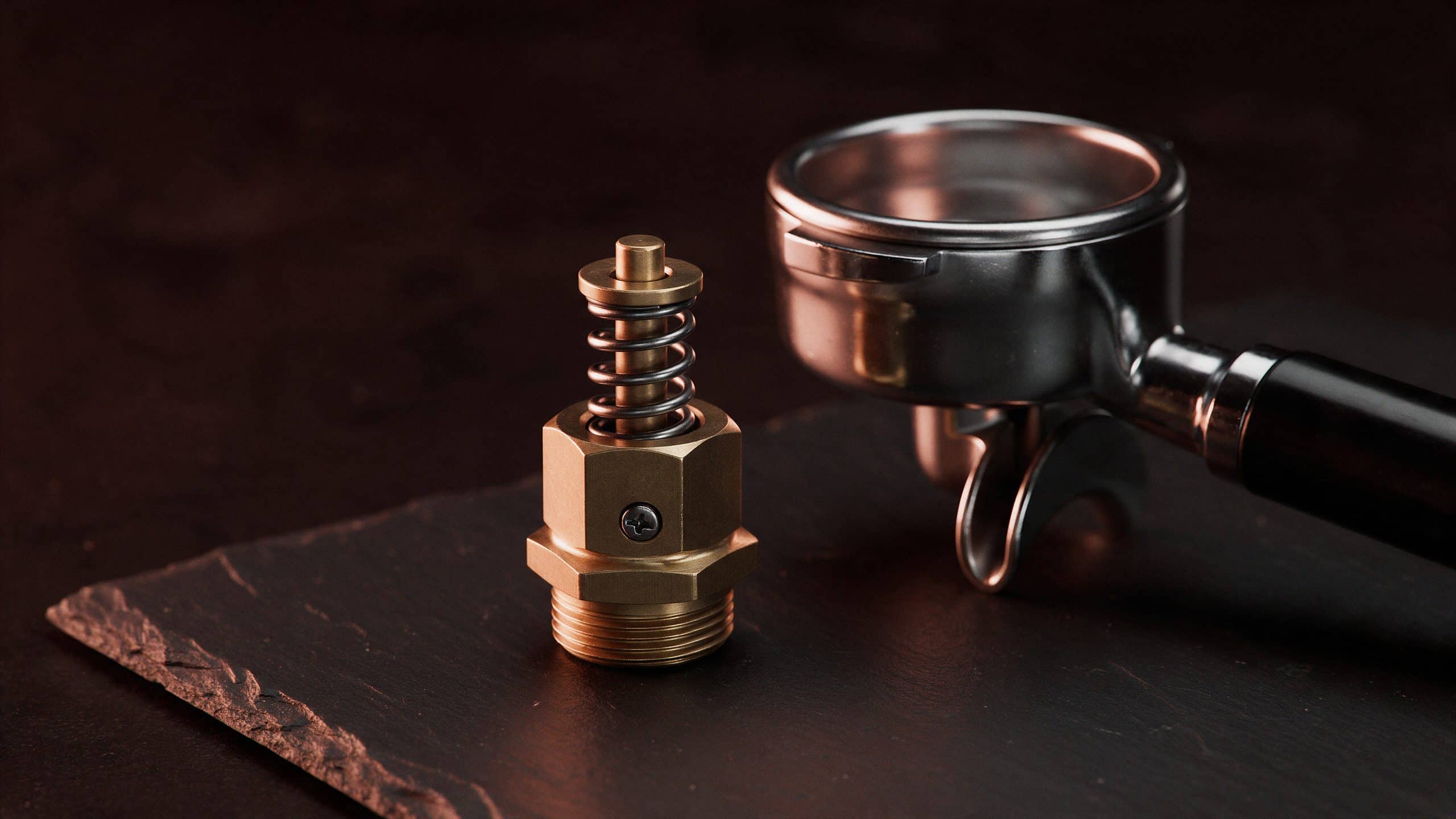
How Many Bars of Pressure for Espresso? What 9, 15 and 20 Really Mean
Espresso is brewed at about 9 bar; the 15 or 20 bar on a home machine describes the pump, not the shot.…

Breville Steam Wand Not Working? Start With the Manual’s Six Causes
A Breville steam wand that gives no steam, weak steam, or only water usually traces to one of six causes the manuals…
How Long Do Espresso Machines Actually Last?
Espresso machine lifespan isn’t a number manufacturers publish; it’s a warranty term plus a handful of documented and reasoned factors: boiler material,…
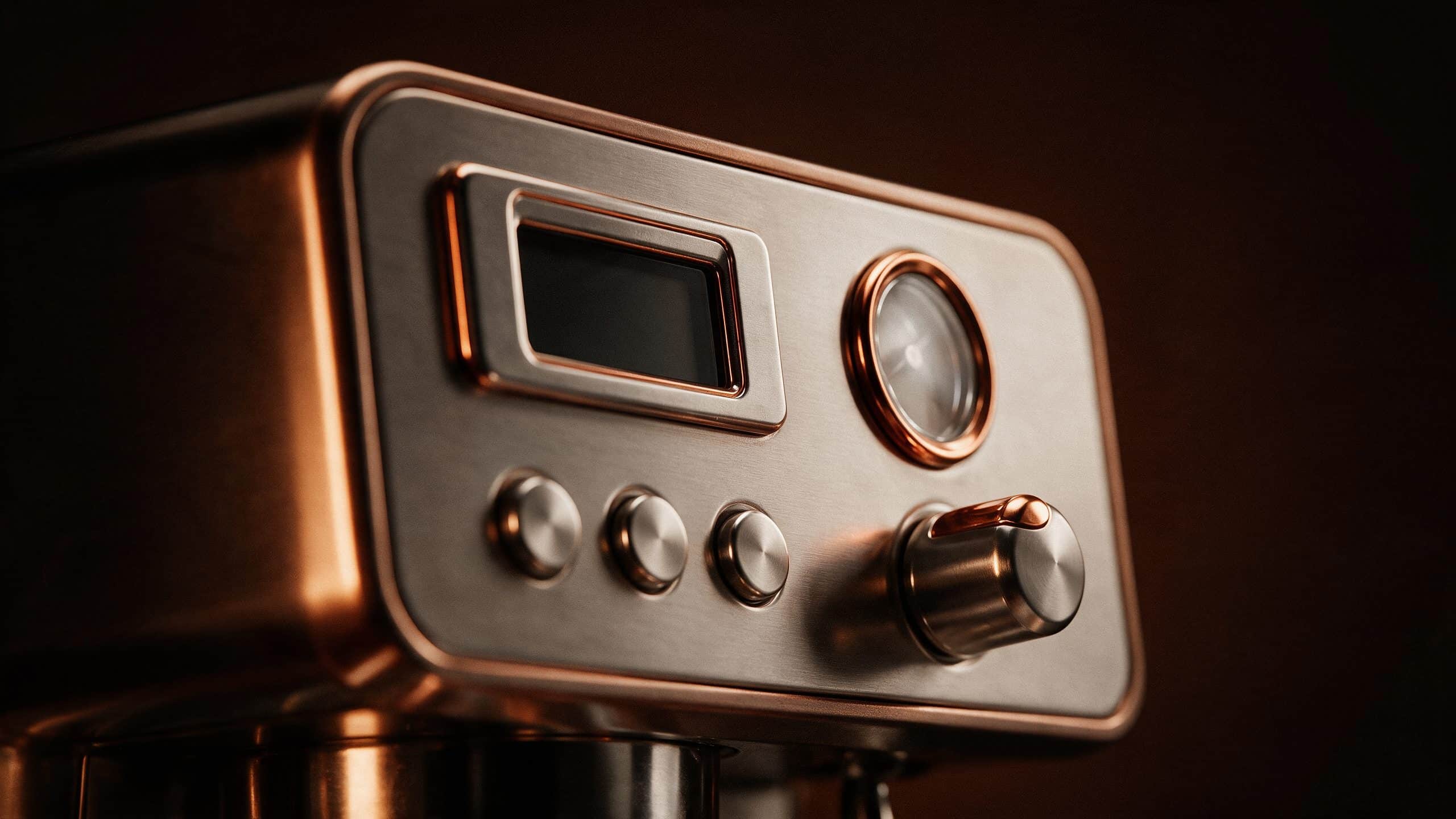
What Makes an Espresso Machine “Prosumer”?
“Prosumer” espresso machine isn’t a certified spec. Here’s the documented, checkable criteria, boiler type, group head, PID, pump, that specialty retailers and…
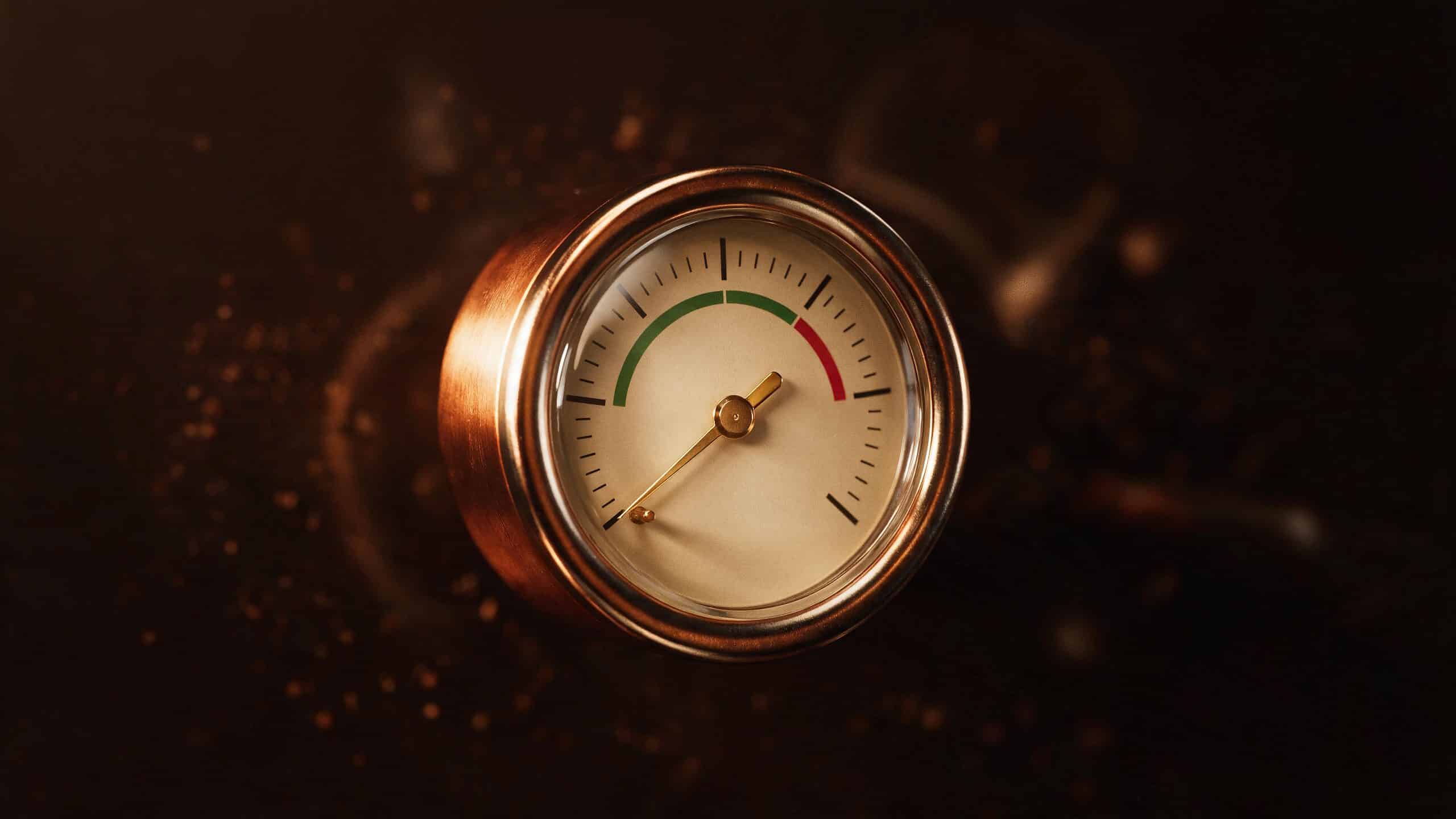
Why Your Espresso Machine Is Losing Pressure
A weak or missing pressure reading on an espresso machine usually comes down to one of a few mechanical causes: a stuck…
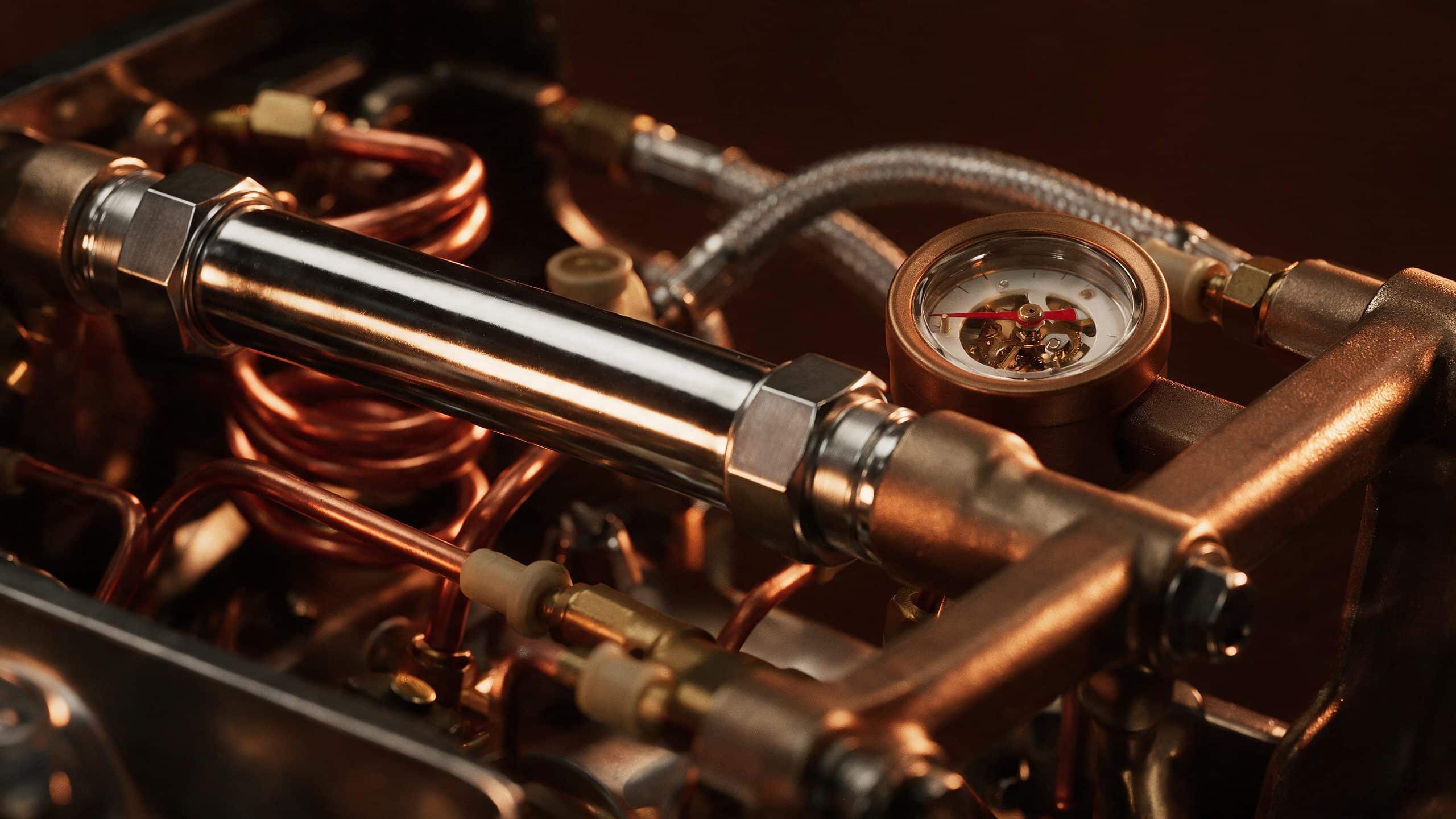
Heat Exchanger vs. Dual Boiler Espresso Machines: How Each One Works
A heat exchanger espresso machine and a dual boiler machine both let you brew and steam together, but through very different plumbing.…
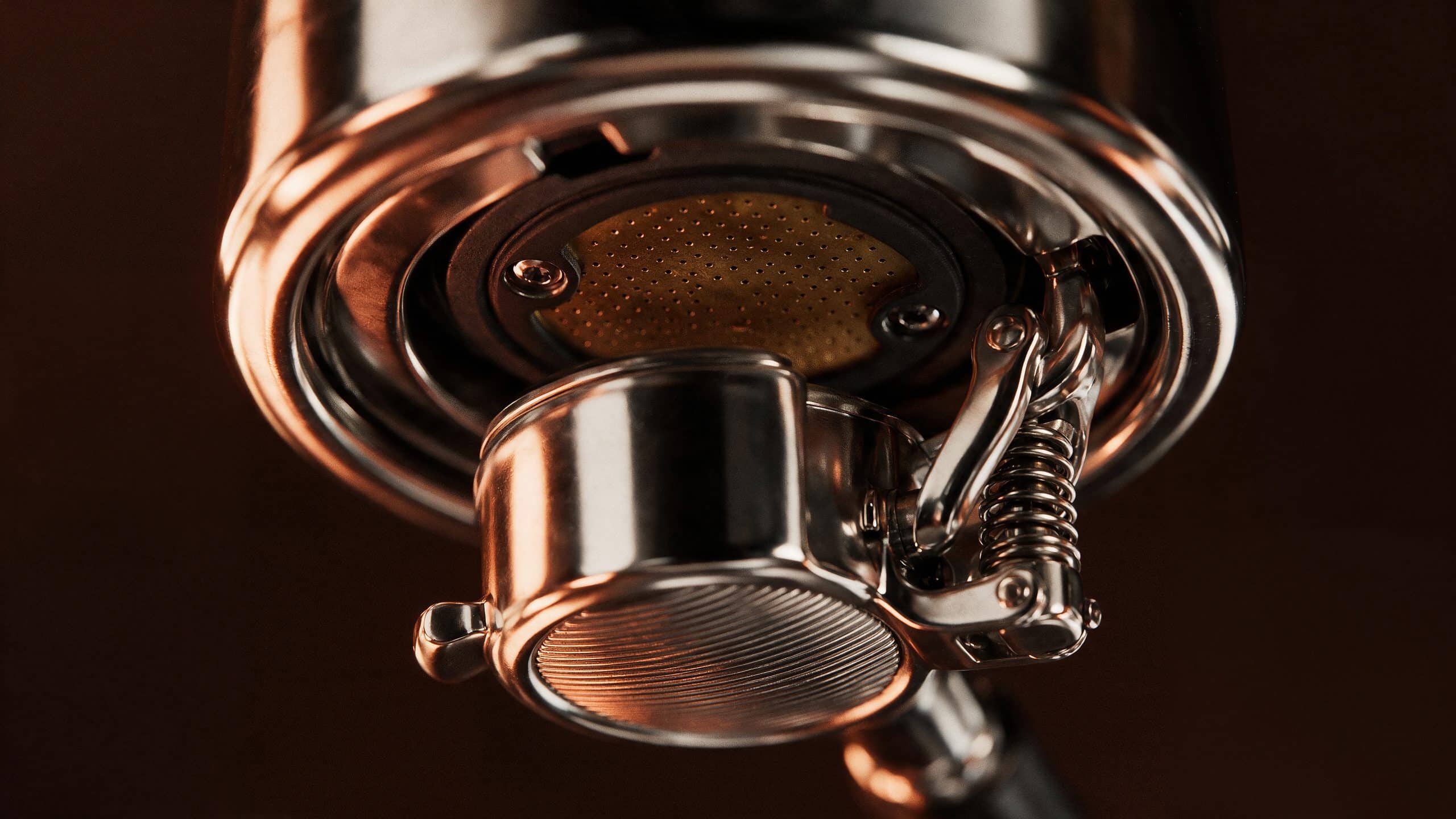
The E61 Espresso Machine Group Head: How It Actually Works
The E61 group head runs on a rotating cam, a spring-loaded pre-infusion chamber, and a passive thermosiphon loop, a design Ernesto Valente…


